


こんにちは!山梨大学工学部コンピュータ理工学科4年の木島です。
アネックス隣の学生寮「芙蓉寮」に住んでいます。
もし、周りに日本語を話せる人がいない状況で、こんなことが起きたらどうしますか?
- 交通事故(こうつうじこ)にあった
- ひったくり(泥棒)にあった
- モバイルバッテリーが発火(はっか)した
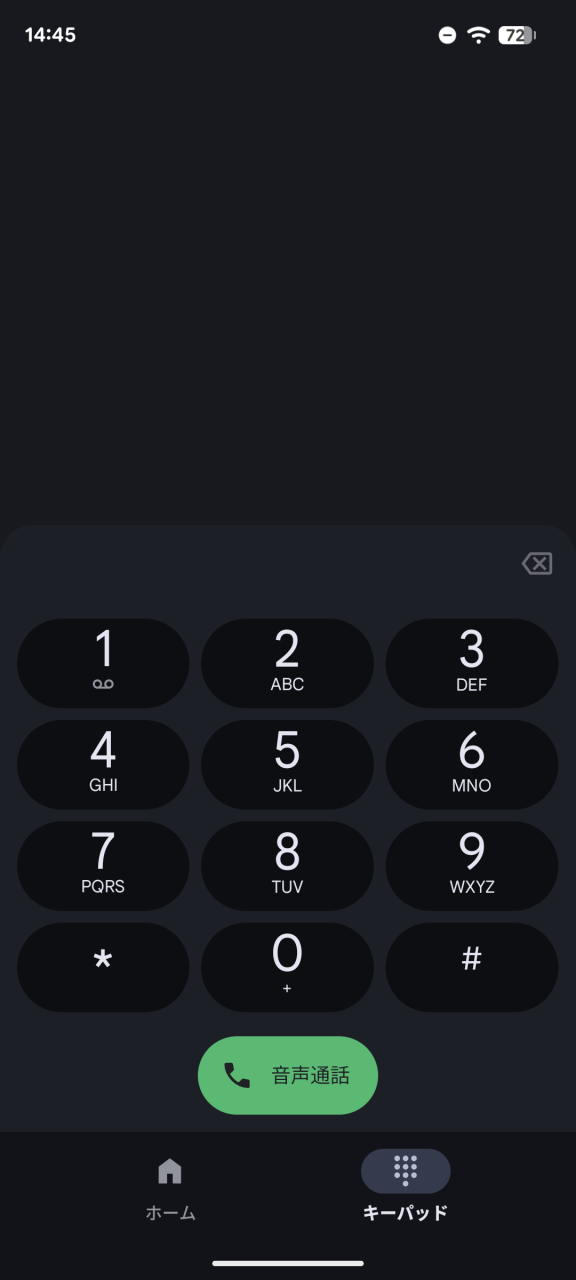
日本では、このような時に緊急通報(きんきゅうつうほう)をすることで、警察や消防を呼ぶことができます。
「日本語が苦手だから怖い…」と思っている人もいるかもしれません。
でも、大丈夫です。
いざという時に慌てないために、日本のルールを知っておきましょう。
110番と119番の違い
ヨーロッパなど多くの国では、警察も消防も「112」にかけると思います[2]。 しかし、日本では目的によって番号が2つに分かれています。
|
番号 |
呼ぶ相手 |
使う時 |
|
110 |
警察 |
事件、事故、泥棒 |
|
119 |
消防、救急 |
急病、火事、事故、ケガ |
スマホがない時は「公衆電話」で!
もし手元にスマホがなければ、緑やグレーの公衆電話(Public Phone)からかけてください。
お金は要りません。
- 受話器(じゅわき)を上げる
- 電話機にある「赤いボタン(緊急通報ボタン)」を押す
- 110 または 119 を押す
赤いボタンがない電話機の場合は、そのまま押してください。
日本語に自信がない時は?
日本の110番や119番は、多くの地域で多言語対応(Multilingual support)が進んでいます[4]。
電話が繋がったら、まずこう伝えてください。
「日本語が 話せません。(English please.)」
そうすれば、通訳(つうやく)センターを通して会話ができます。
絶対に電話を切らずに、そのまま待っていてください。
※通訳の人を通すため、直接話すよりも少し時間がかかります。
110番(警察)のかけ方
事故や事件の時は110番です。
警察官(Operator)は、主に以下のことを聞きます。落ち着いて答えてください。
- 警察:「事件ですか?事故ですか?」
- あなた:「事故(accident)です」 / 「ひったくり(thief)です」
- 警察:「場所はどこですか?」
- あなた:「〇〇大学の前です」
住所がわからなければ、近くの大きな建物やお店の名前、自動販売機に書いてある住所を見て伝えてください。
スマホのGPSで場所が通知されるシステムになっていますが、電波が悪いと届かないこともあります。必ず目印も伝えましょう。
- 警察:「いつありましたか?犯人の特徴は?」
- あなた:「さっきです。犯人は黒い服で、車で逃げました」
119番(消防・救急)のかけ方
火事や、救急車が必要な時は119番です。
- 消防:「火事ですか?救急ですか?」
- あなた:「火事(Fire)です」 / 「救急(Medical emergency)です」
- 消防:「住所はどこですか?」
- あなた:「甲府市〇〇町、1-1-1です」
【火事の場合】
- 消防:「何が燃えていますか?」
- あなた:「モバイルバッテリーが燃えています」
- あなた:「3階建ての建物の、2階が燃えています」
逃げ遅れた人がいる場合は、必ず伝えてください。
まずは自分の安全を確保してから電話しましょう。
【救急の場合】
- 消防:「誰が、どうしましたか?」
- あなた:「大学生の男性が倒れました。意識がありません」
通報した後の「大学への報告」
110番や119番通報をした後は、必ず大学にも連絡してください。 大学があなたの状況(じょうきょう)を把握(はあく)し、サポートをするために必要です。
重要(じゅうよう)
身の安全確保・救急対応が最優先です。 まずは自分を守り、落ち着いてから大学に連絡しましょう。
平日の昼間(8:30〜17:15)
あなたが今、どこのキャンパスにいるかによって連絡先が違います。
留学生
キャンパスに関わらず、まずはグローバル推進課に連絡してください。
- グローバル推進課
- 場所: 甲府キャンパス B-1号館 2階
- 電話: 055-220-8047
- 055-220-8373
日本人学生
所属するキャンパスの窓口に連絡してください。
甲府キャンパスの方
- 学生支援課
- 場所: Y号館 2階
- 電話: 055-220-8041
医学部キャンパスの方
- 医学部学務課(Academic Affairs Div.)
- 電話: 055-273-9346
夜間・土日祝日
事務所が閉まっている時間は、総合案内所(そうごうあんないじょ)や当直室(とうちょくしつ)に連絡してください。
留学生も日本人学生も共通です。
- 甲府キャンパス:
- 総合案内所
- 正門にあります。
- 電話: 055-220-8032
- 総合案内所
- 医学部キャンパス:
- 医学部キャンパス当直室(Duty Room)
- 電話: 055-273-1113
体調不良や、軽い怪我の相談
「大学内で怪我をしたけれど、救急車を呼ぶほどではない」「体調が悪い」という場合は、保健管理センターへ電話をすることができます。
- 保健管理センター(甲府キャンパス)
- 電話: 055-220-8081
- 保険管理センター(医学部キャンパス)
- 電話:055-273-9312
安全マニュアルと報告書
山梨大学には、災害や緊急時のルールをまとめた詳しいマニュアルがあります。
日本語で書かれていますが、テキストをコピーできるので、翻訳ツールなどを使って一度読んでおきましょう。
なお、緊急連絡をした場合には、大学から案内があれば、マニュアルの一番後ろのページにある「報告書(ほうこくしょ)」を提出します。
知っておくと便利な番号(#7119 / #9110)
日本では今、緊急ではないのに救急車を呼ぶことが社会問題になっています[1]。
「病院に行ったほうがいいかな?」「救急車を呼ぶべき?」と迷ったときは、この番号を使ってください。(※#7119は使えない地域もあります。[3])
- #7119(救急安心センター)
- 病気や怪我で迷ったとき、専門家がアドバイスをくれます。
- #9110(警察相談専用電話)
- 緊急の事件ではないけれど、警察に相談したいとき。
山梨大学で病気や怪我したら
もし授業中や休み時間に、急に頭が痛くなったり、怪我(けが)をしてしまったりしたら、 我慢しないで、保健管理センター(HEALTH CARE CENTER UNIVERSITY OF YAMANASHI)[5]に行ってみましょう。
場所はどこ?
甲府キャンパスの生協購買部(Co-op shop)の、すぐ目の前にあります。
(買い物のついでに場所を確認しておくと安心です!)
何をしてくれるの?
- 応急処置(First aid)
- 怪我の手当てをしてくれます。
- 体調相談
- 「熱っぽい」「お腹が痛い」などの相談に乗ってくれます。
- 病院の紹介
- もし専門的な治療が必要な場合は、適切な病院を紹介(Referral)してくれます。
一人で悩まずに、訪ねてみてくださいね。
まとめ
異国の地で警察や消防を呼ぶのは、とても勇気がいることだと思います。
でも、あなたの電話で助かる命や、防げる事故があります。
「110は警察、119は救急」と覚えて、もしもの時は迷わず通報してくださいね。
●参考文献
[1] 東京消防庁, “まちがい探しクイズ(119),” 東京消防庁. [オンライン]. 入手先: https://www.tfd.metro.tokyo.lg.jp/inf/119_matigaisagashi.html. [アクセス日: 2025年12月14日].
[2] 外務省, “世界の医療事情 イタリア,” 外務省. [オンライン]. 入手先: https://www.mofa.go.jp/mofaj/toko/medi/europe/italia.html. [アクセス日: 2025年12月14日].
[3] 厚生労働省, “大人の症状は♯7119,” 上手な医療のかかり方.dip. [オンライン]. 入手先: https://kakarikata.mhlw.go.jp/kakaritsuke/7119.html. [アクセス日: 2025年12月14日].
[4] 総務省消防庁, “外国人・障害者に円滑に対応するための取組,” 総務省消防庁. [オンライン]. 入手先: https://www.fdma.go.jp/mission/enrichment/gaikokujin_syougaisya_torikumi/sanshakan-douji-tsuuyaku.html. [アクセス日: 2025年12月14日].
[5] 山梨大学保健管理センター, “ホーム,” 山梨大学保健管理センター. [オンライン]. 入手先: https://health.yamanashi.ac.jp/. [アクセス日: 2025年12月14日].
[6] https://www.ciee.yamanashi.ac.jp/wp-content/uploads/2020/07/guidebook_2019.pdf
[Japan Life #3] Traffic Accidents! Snatch Thefts! Battery Fires! What Should You Do in These Situations?
Hello! I’m Kijima, a fourth-year student in the Department / Course of Computer Science and Engineering, University of Yamanashi.
I live in the student dormitory “Fuyo Dormitory,” next to the Annex.
If you found yourself in a situation like this with no one around who speaks Japanese, what would you do?
- You were in a traffic accident.
- You were a victim of a snatch theft.
- Your mobile battery caught fire.
In Japan, you can call the police or fire department in these situations by making an emergency call. Some of you might be thinking,
“I’m scared because my Japanese isn’t good…”
But don’t worry. To avoid panicking when the time comes, let’s learn the rules in Japan.
The Difference Between 110 and 119
In many countries, such as those in Europe, you would call “112” for both police and fire services. [2]
However, in Japan, the numbers are divided into two depending on the purpose.
|
PHONE NUMBER |
THE RECEIVER |
SITUATION |
|
110 |
Police |
Accidents, Crimes |
|
119 |
Fire / Ambulance |
Fires, Injuries, Sudden illness |
Use a “Public Phone” if You Don’t Have a Smartphone!
If you don’t have a smartphone on hand, please call from a green or gray Public Phone.
You do not need money.
- Pick up the receiver.
- Press the “Red Button (Emergency Call Button)” on the telephone.
- Press 110 or 119.
Note: If the telephone does not have a red button, just press the numbers directly.
What if You Are Not Confident in Your Japanese?
Japan’s 110 and 119 services are increasingly offering multilingual support in many regions [4]. When the call connects, please say this first:
“Nihongo wo harassment. (English please.)” (I cannot speak Japanese.)
If you do this, you can speak through an interpretation center.
Please absolutely do not hang up the phone and wait on the line. Because it goes through an interpreter, it will take a little longer than speaking directly.
How to Call 110 (Police)
Call 110 in case of an accident or incident.
The police officer (Operator) will mainly ask the following questions. Please answer calmly.
- Police: “Is it an incident? Or an accident?”
You: “It’s an accident.” / “It’s a snatch theft.”
- Police: “Where is the location?”
You: “In front of XX University.”
Note: If you don’t know the address, look for a large building nearby, the name of a shop, or the address written on a vending machine and tell them.
Note: The system is designed to notify them of your location via your smartphone’s GPS, but the signal may not reach them if reception is poor. Be sure to tell them a landmark as well.
- Police: “When did it happen? What are the characteristics of the culprit?”
You: “Just now. The culprit was wearing black clothes and ran away in a car.”
How to Call 119 (Fire / Ambulance)
Call 119 when there is a fire or you need an ambulance.
- Fire Dept: “Is it a fire? Or a medical emergency?”
You: “It’s a fire.” / “It’s a medical emergency.”
- Fire Dept: “Where is the address?”
You: “It is 1-1-1, XX-cho, Kofu City.”
In Case of Fire
- Fire Dept: “What is burning?”
You: “A mobile battery is burning.”
You: “The second floor of a three-story building is burning.”
If anyone failed to escape, please be sure to tell them. First, ensure your own safety before calling.
In Case of Medical Emergency
- Fire Dept: “Who is it, and what happened?”
You: “A male university student collapsed. He is unconscious.”
Reporting to the University After an Emergency Call
After calling 110 or 119, please be sure to contact the university as well.
This is necessary for the university to understand your situation and provide support.
Important
Ensuring your safety and receiving emergency care are the top priorities.
Protect yourself first and contact the university once you have calmed down.
Weekdays (8:30 – 17:15)
Contact information differs depending on your student status.
International Students
Please contact International Office regardless of your campus.
- International Office
- Location: Kofu Campus, Building B-1, 2nd Floor
- Phone: 055-220-8047
- Phone: 055-220-8373
Japanese Students
Please contact the office of the campus you belong to.
For Kofu Campus:
- Student Support Division
- Location: Building Y, 2nd Floor
- Phone: 055-220-8041
For Medical Campus:
- Academic Affairs Division (Medicine)
- Phone: 055-273-9346
Nights, Weekends, and Holidays
During hours when offices are closed, please contact the General Information Center or the Duty Room.
This applies to both International and Japanese students.
- Kofu Campus:
- General Information Center
- Located at the Main Gate.
- Phone: 055-220-8032
- Medical Campus:
- Medical Campus Duty Room
- Phone: 055-273-1113
Consultation for Poor Health or Minor Injuries
If you “got injured on campus but don’t need an ambulance” or “feel unwell,” you can call the Health Administration Center.
- Health Administration Center (Kofu Campus)
- Phone: 055-220-8081
- Health Administration Center (Medical Campus)
- Phone: 055-273-9312
Safety Manual and Report Form
The University of Yamanashi has a detailed manual summarizing rules for disasters and emergencies.
It is written in Japanese, but the text can be copied, so please read it using a translation tool.
If you have made an emergency call, and if instructed by the university, you will submit the “Report Form” found on the last page of the manual.
University of Yamanashi Safety Manual (Risk Management Manual)
Useful Numbers to Know (#7119 / #9110)
In Japan today, calling ambulances for non-emergencies has become a social issue [1]. If you are unsure, wondering “Should I go to the hospital?” or “Should I call an ambulance?”, please use these numbers.
(Note: #7119 is not available in some areas. In Yamanashi Prefecture, please check the local medical information center.[3])
- #7119 (Emergency Relief Center)
- Experts will give you advice when you are unsure about an illness or injury.
- #9110 (Police Consultation Phone)
- When it is not an emergency incident, but you want to consult the police.
If You Get Sick or Injured at Yamanashi University
If you suddenly have a headache or get injured during class or break time, don’t hold back—go to the Health Care Center (University of Yamanashi) [5].
Where is it?
It is located right in front of the Co-op shop on the Kofu Campus. (It gives you peace of mind to check the location while you are shopping!)
What do they do for you?
- First Aid
- They will treat injuries.
- Health Consultation
- They will give advice on issues like “feeling feverish” or “stomachache.”
- Hospital Referral
- If specialized treatment is needed, they will refer you to an appropriate hospital.
Please don’t worry alone; try visiting them.
Summary
Calling the police or fire department in a foreign land requires a lot of courage. However, your call can save lives and prevent accidents.
Remember “110 is for Police, 119 is for Ambulance” and please do not hesitate to call in an emergency.
●参考文献
[1] 東京消防庁, “まちがい探しクイズ(119),” 東京消防庁. [オンライン]. 入手先: https://www.tfd.metro.tokyo.lg.jp/inf/119_matigaisagashi.html. [アクセス日: 2025年12月14日].
[2] 外務省, “世界の医療事情 イタリア,” 外務省. [オンライン]. 入手先: https://www.mofa.go.jp/mofaj/toko/medi/europe/italia.html. [アクセス日: 2025年12月14日].
[3] 厚生労働省, “大人の症状は♯7119,” 上手な医療のかかり方.up. [オンライン]. 入手先: https://kakarikata.mhlw.go.jp/kakaritsuke/7119.html. [アクセス日: 2025年12月14日].
[4] 総務省消防庁, “外国人・障害者に円滑に対応するための取組,” 総務省消防庁. [オンライン]. 入手先: https://www.fdma.go.jp/mission/enrichment/gaikokujin_syougaisya_torikumi/sanshakan-douji-tsuuyaku.html. [アクセス日: 2025年12月14日].
[5] 山梨大学保健管理センター, “ホーム,” 山梨大学保健管理センター. [オンライン]. 入手先: https://health.yamanashi.ac.jp/. [アクセス日: 2025年12月14日].